The Effect of the Suez Canal on World Trade
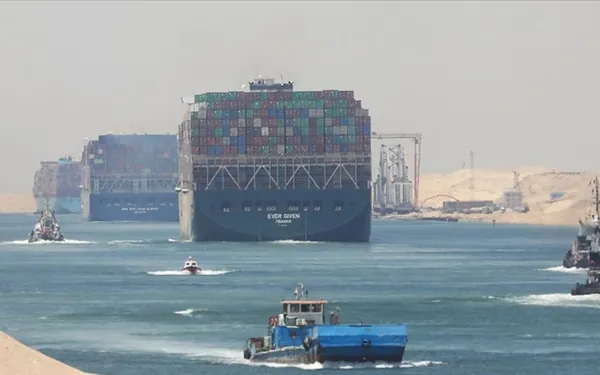
The Suez Canal: history and importance
The Suez Canal, in the north-east of Egypt, is the waterway that links the Mediterranean with the Red Sea. Throughout history it has stood at the centre of trade, diplomacy and geographic strategy. Here is a closer look at its history, its construction and its international significance.
History
The idea of a canal at Suez goes back to ancient Egypt and was first attempted under the pharaoh Senusret II. The modern canal, however, was built by the French engineer Ferdinand de Lesseps in the middle of the 19th century. It opened on 17 November 1869 and has been a critical part of international trade ever since.
Technical features
The canal runs for roughly 193.3 kilometres. It contains two channels that allow traffic in both directions — the Great Suez Canal (northern channel) and the Small Suez Canal (southern channel). It is around 300 metres wide and 24 metres deep on average, which lets very large vessels pass comfortably.
A key to international trade
The Suez Canal is a key to global commerce. By sparing ships a long detour between Europe and Asia it speeds up trade, lowers costs and contributes to the world economy. Thousands of merchant vessels, oil tankers and passenger ships transit the canal every year.
Strategic importance
The canal carries strategic weight in international politics. It plays a critical role in moving Middle Eastern energy resources to the West, and its military significance has placed it at the centre of several crises over the years.
What happens if the canal closes?
A closure of the Suez Canal would be a potential crisis for world trade. The likely effects are:
- Longer transits and higher costs. Ships would have to use longer, more expensive routes; Europe–Asia trade would round the southern tip of Africa and cross the Indian Ocean, raising both transit times and fuel costs.
- Trade delays. As a critical crossing point, a closed canal means late deliveries and disruption to supply chains, particularly for fast-moving consumer goods.
- Oil and energy prices. Blocking tanker traffic could create shortages of crude oil and energy products on world markets and push prices up.
- Ocean freight rates. Higher shipping costs raise the price of goods for the end consumer and feed inflation.
- Pressure on alternative routes. Other critical waterways such as the Bosphorus and the Panama Canal would see heavier traffic, with congestion and safety issues to follow.
- Insurance and security. Marine insurance premiums would rise and concerns over vessel safety would call for additional measures.
- International relations. A closure could strain Egypt’s diplomatic relations and trigger wider crises.
In short, the closure of the Suez Canal would affect global trade profoundly. Its security and accessibility therefore matter to the whole world, and being prepared for such a crisis is essential.
At ASR Transit we deliver our customers’ goods safely and quickly at every stage, controlling each step of the logistics process. We hope the current tensions will not harm a trading system that has only just recovered from the pandemic.