Logistics and the Distribution Network in Parallel Export
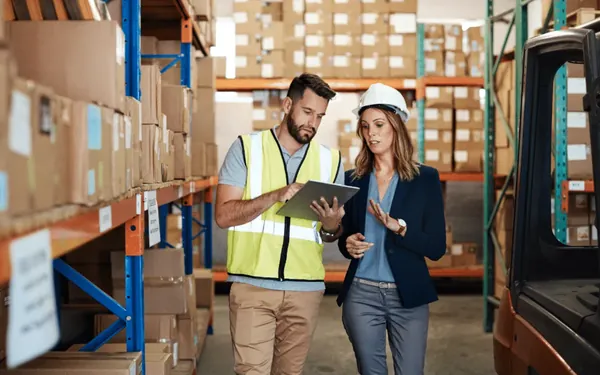
Logistics processes in parallel export
Parallel export depends on an effective logistics and distribution network. The goods must reach the customer at the right time, in the right place and in the most efficient way — and managing that network brings its own challenges.
Logistics management
Logistics management covers every process from the point of production to the end user. In parallel export its main elements are:
- Transport. International carriage is performed by sea, air, road or rail. The choice of mode matters for cost, speed and security.
- Customs formalities. Import and export procedures must be completed accurately and quickly, taking duties, import quotas and other regulations into account.
- Storage. Safe storage both optimises cost and preserves product quality; positioning the warehouses strategically lowers total logistics spend.
- Inventory management. Correct stock management prevents excess inventory while allowing a fast response to swings in demand.
The distribution network
The distribution network carries goods from the warehouse to end users or retail points. Building an effective one calls for:
- Distribution channels. Direct sales, retail outlets, wholesalers or online platforms — the channel must suit the target market.
- Local partners. Cooperation with local distributors gets goods to customers faster; local partners also understand market dynamics and customer preferences better.
- Last-mile delivery. Delivery to the final consumer is critical for satisfaction, and fast, dependable last-mile solutions create competitive advantage.
- Technology and automation. Warehouse management systems (WMS) and transport management systems (TMS) raise operational efficiency and reduce error rates.
Challenges
- Legal and regulatory barriers. Differing national rules, customs procedures and trade restrictions complicate the logistics chain.
- Cost management. International freight, duties and storage all push total costs up and must be watched carefully.
- Supply-chain disruption. Natural disasters or political instability can break global chains and damage the process.
- Quality control and security. Goods must reach the customer undamaged and secure through transport and storage alike.
Conclusion
A successful logistics and distribution network in parallel export gives companies a competitive edge and raises customer satisfaction. Careful planning and management optimise cost while protecting the quality and safety of the goods; technology and automation increase efficiency and allow a rapid response to market change.
At ASR Transit we work to move your products correctly — from the producer or supplier to your door, on the most suitable route.