The Future of Transit Trade
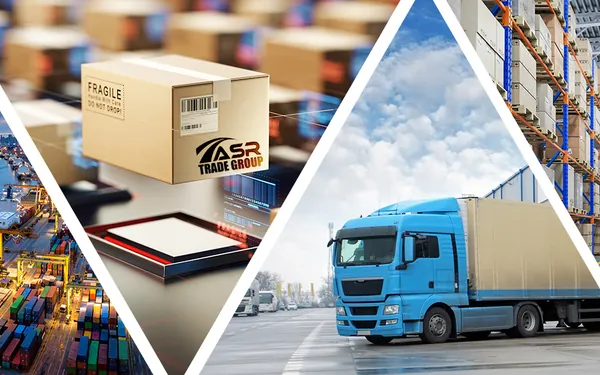
Trade is a language that transcends geographic borders. The complexity of commerce between countries rests on a set of strategies and regulations that let goods and services flow freely across frontiers — and transit trade is one of them. In transit trade, goods crossing the customs territory of one country are present there temporarily before reaching their destination: a deliberate “pause” on the way from one country to another.
Why transit trade matters
Transit trade makes efficient use of trade routes and raises the effectiveness of supply chains. Corridors running through inland regions strengthen the connection to coasts and ports, giving goods produced inland access to world markets and stimulating commerce.
How transit trade is managed
Managing transit trade requires complex cooperation between customs authorities, carriers and logistics operators. National and international standards must be in place so that goods move safely and can be traced across customs territory, and the legal framework must be defined so that participating countries can cooperate and resolve disputes.
Advantages and challenges
The greatest advantage of transit trade is that it accelerates commerce and lowers costs: pausing goods at a transit point rather than routing them directly to the destination allows customs formalities to be completed quickly. Success, however, depends on strict security measures and a dependable channel of communication between all parties.
The future
Advancing technology and trade agreements will shape what comes next. Digitalisation and automation make customs procedures more efficient, while free-trade agreements and trade corridors lower the barriers to transit.
Recent problems in the Suez Canal — one of the world’s busiest waterways and a main artery between Asia and Europe — have had a significant effect on transit trade worldwide. Any interruption, especially one that blocks large vessels, sets off a domino effect in global commerce: delayed goods disrupt supply chains and hit whole industries, from crude oil and natural gas to container cargo.
Incidents such as the 2021 grounding that blocked the canal showed how fragile transit routes are and how dependent world trade has become on them. Events like these push companies to reassess their supply chains and logistics networks and to reduce their exposure.
Transit trade is an indispensable part of global commerce and essential to its sustainability. Managed well, it encourages economic growth, develops trade routes and strengthens international relations.